 In the CityIn the City
Photo: Davide Mauro, CC BY-SA 4.0 · source
Snow-white with turquoise domes and four slender minarets, the mosque is noticeably more modest in size than Khazret Sultan, but for many years it was the main mosque of the new capital and remains one of the most elegant buildings on the left bank. Inside is a spacious prayer hall and a separate women's gallery on the second floor, which can accommodate almost two thousand people.
The mosque was built between 2002 and 2005 with funds from the Emir of Qatar, Sheikh Hamad bin Khalifa Al Thani — as a gift to the country in recognition of President Nazarbayev; it was designed by Lebanese architect Charles Hafiz and built by Turkish company Pasiner. The mosque opened on March 22, 2005, during Nauryz. Its original name, "Nur-Astana," is still commonly used by locals, though in November 2021 the Spiritual Administration of Muslims of Kazakhstan officially renamed it in honor of the medieval thinker Abu Nasr al-Farabi. The dome is 43 meters high, the minarets are 62 meters high, and the capacity is 5,000 people.
 In the City
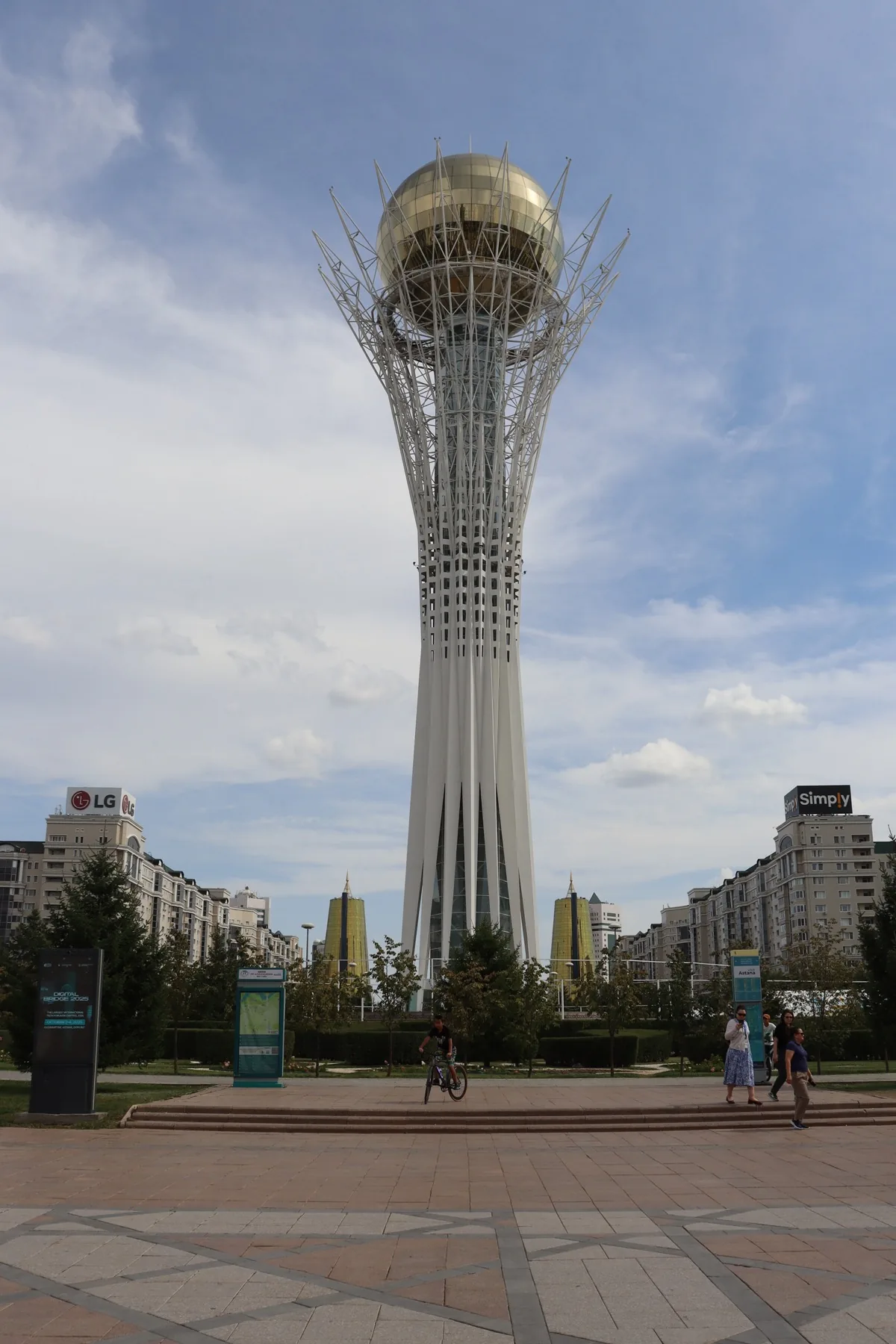
A monument and observation tower that is the main symbol of Astana and Kazakhstan.
 In the City
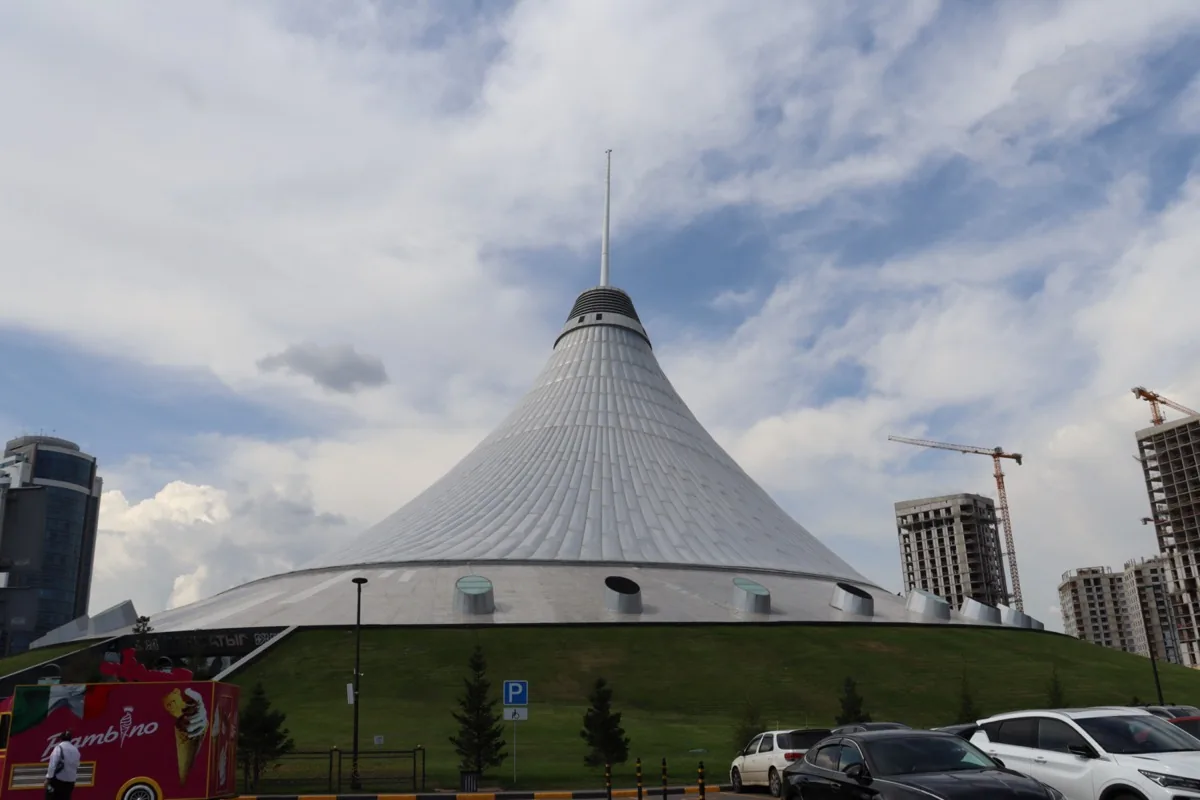
A colossal transparent tent-shaped shopping mall standing 150 meters tall, designed by Norman Foster and recognized as the world's largest tensile structure.
 In the City
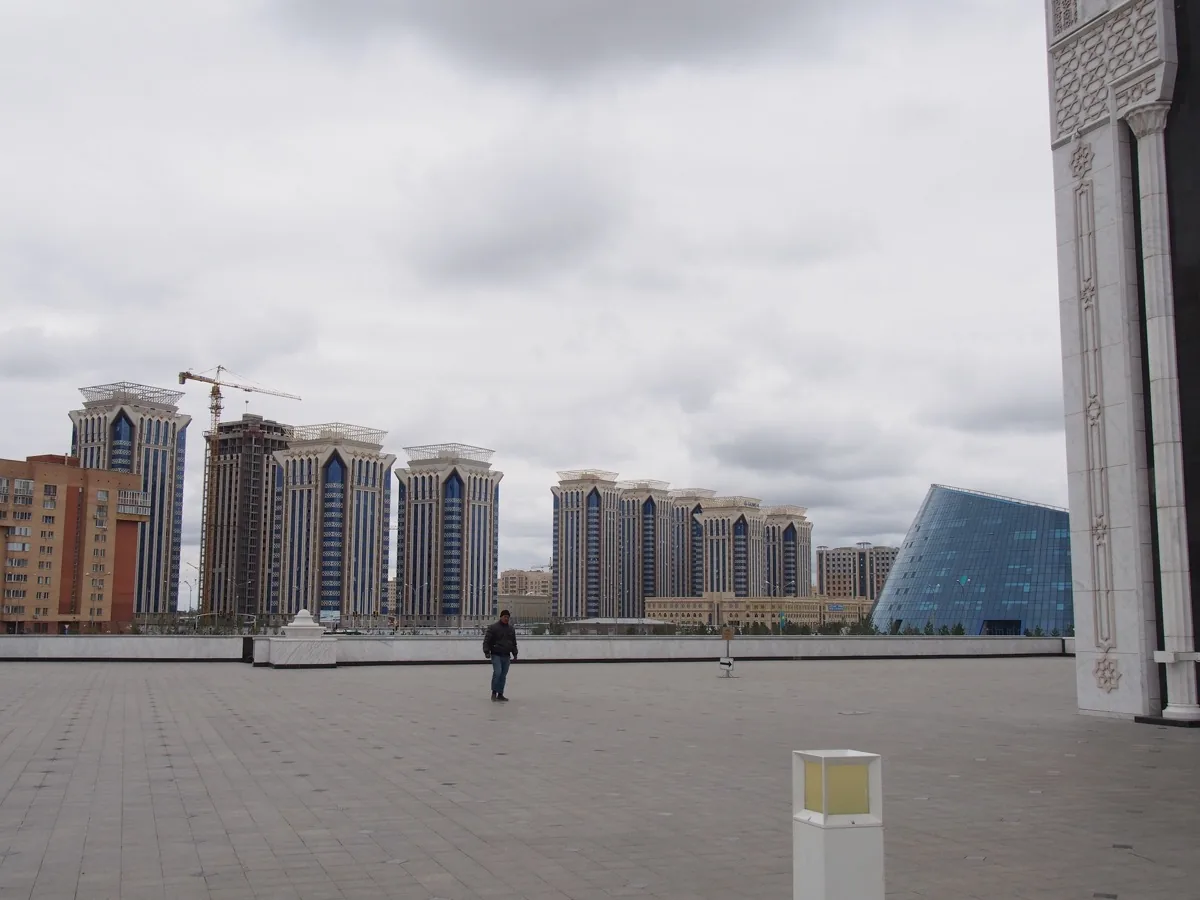
The largest mosque in Central Asia, accommodating up to 10,000 people during major holidays.
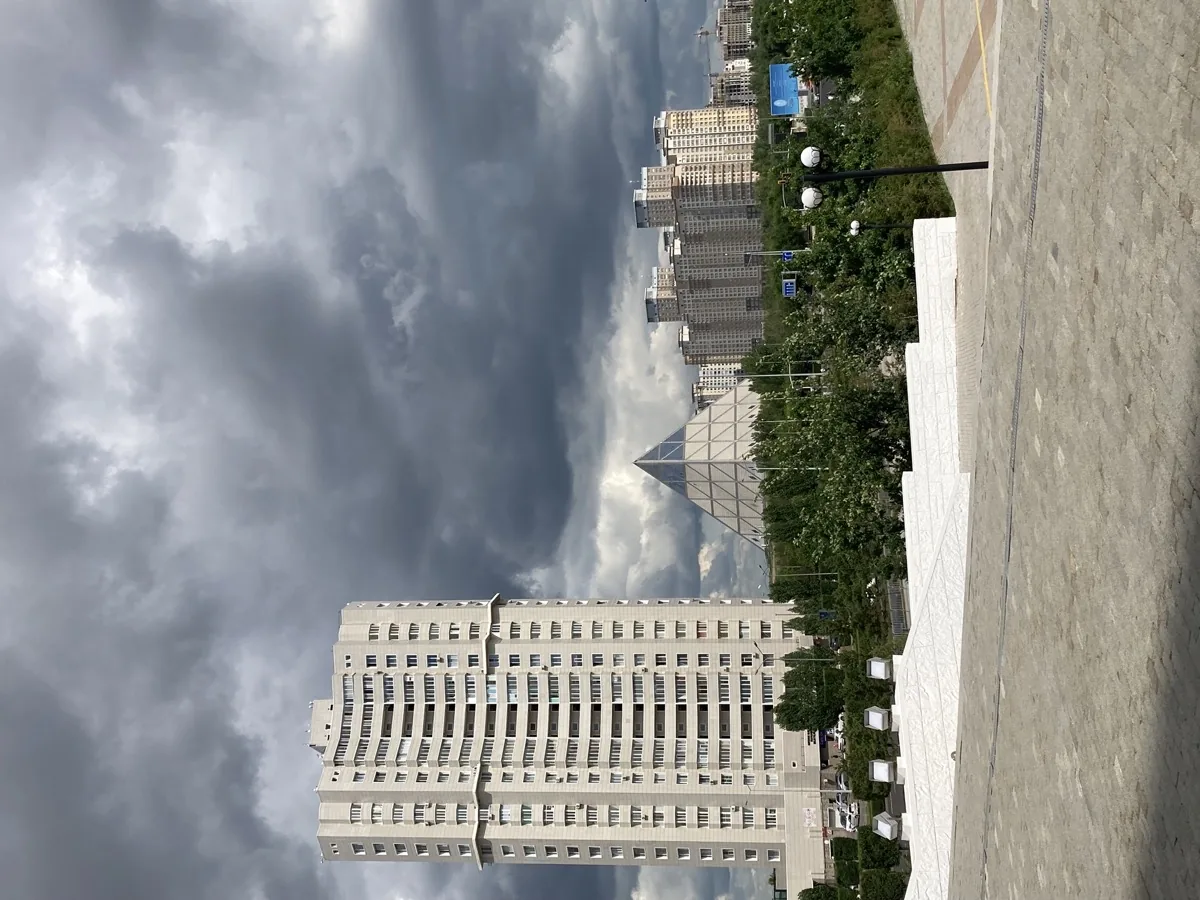 In the City
An 80-hectare park surrounding Norman Foster's pyramid-shaped building, featuring an opera hall, exhibition spaces, and a panoramic elevator.
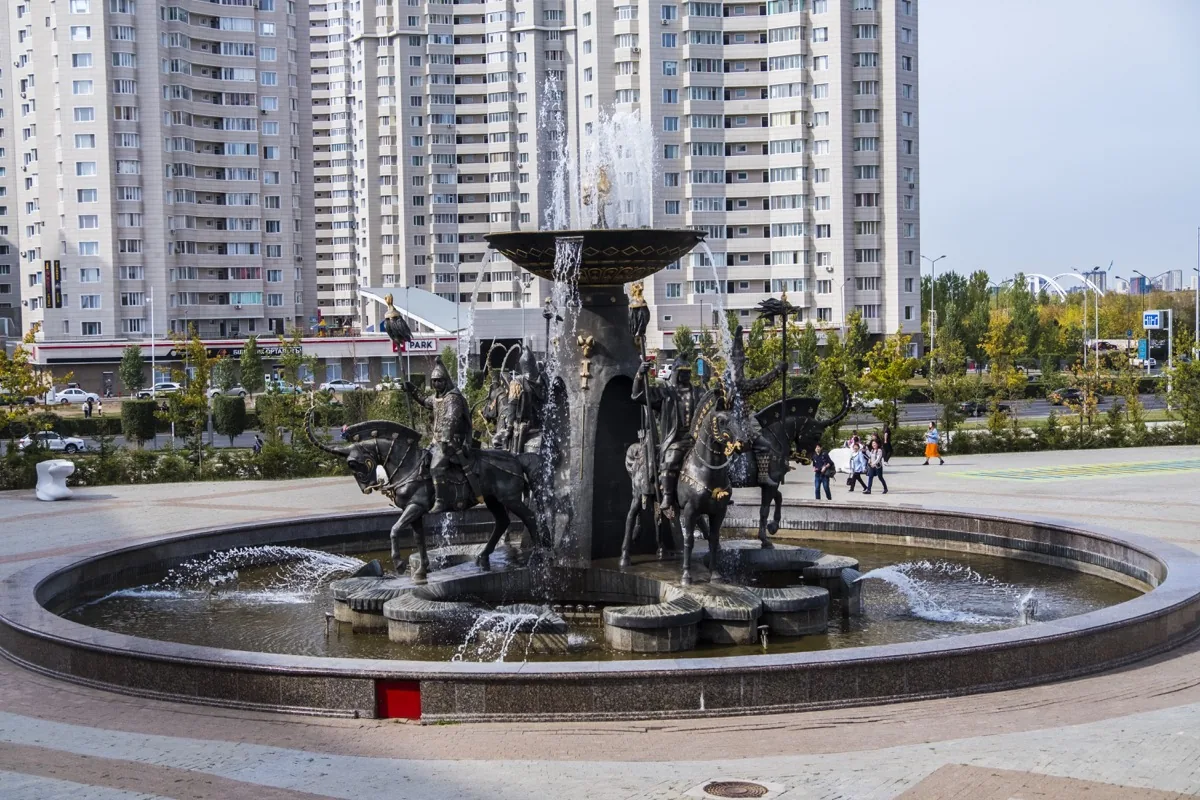 In the City
The largest museum in Kazakhstan and Central Asia showcasing the country's history from ancient times to the present day.
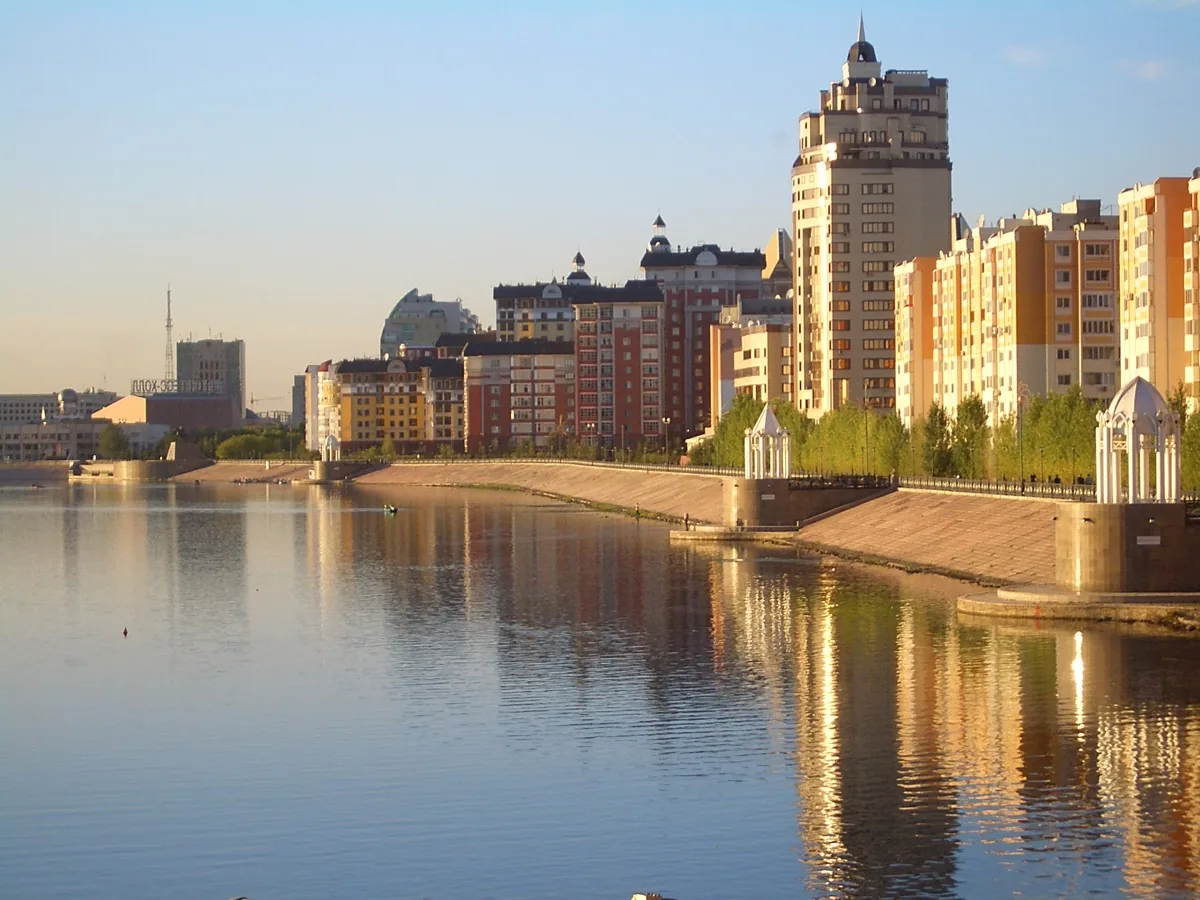 In the City
A well-developed embankment with cycling paths and walking routes that connects the historic right bank and the new left bank of Astana.