 In the CityIn the City
Photo: Nikolamikovic82, общественное достояние (CC0) · source
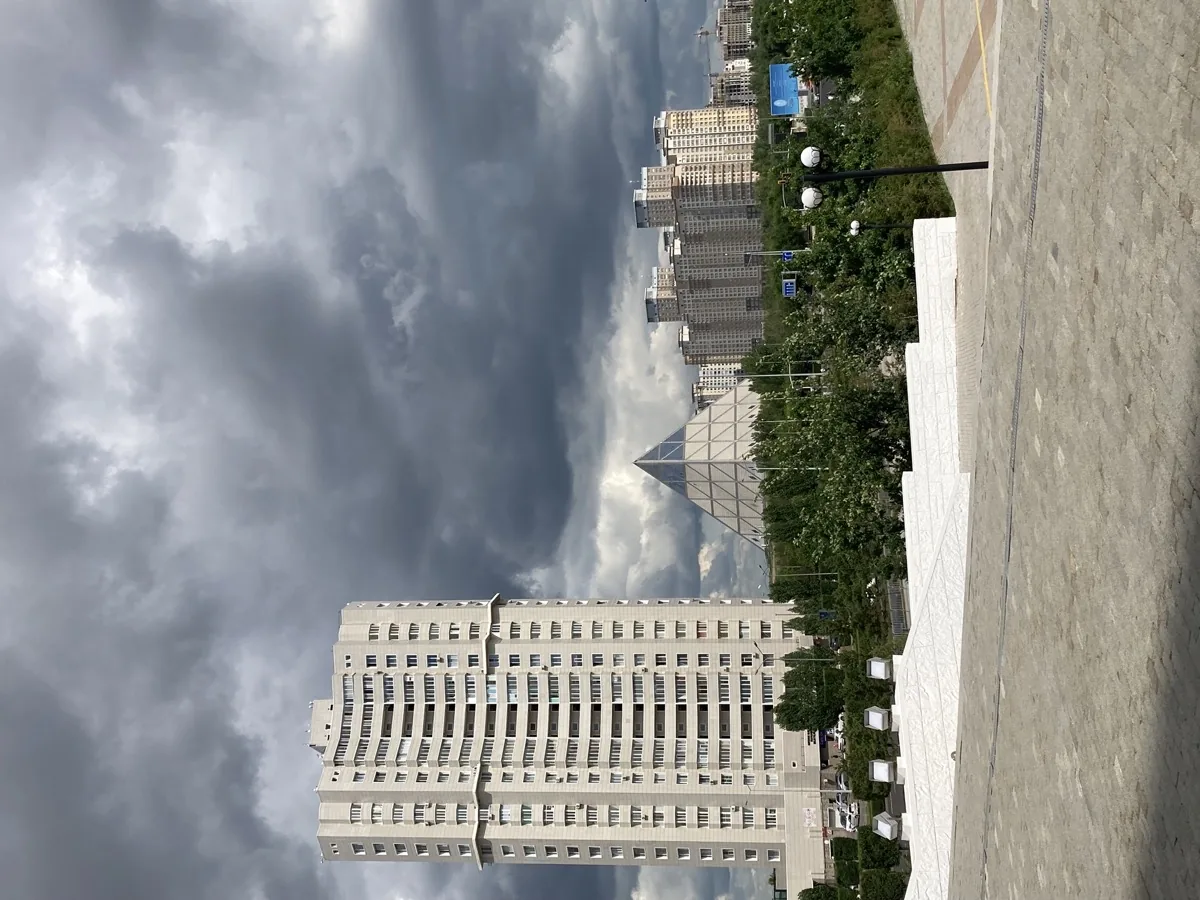
From the outside, the pyramid looks completely otherworldly against the steppe landscape — a faceted granite and glass structure that is particularly striking at sunset. Inside, you can take an elevator directly to the top, to the "Besik" hall beneath a stained glass dome with 130 white doves symbolizing the peoples of Kazakhstan, and along the way peek into an opera hall with nearly 1,300 seats. The Presidential Park spreads around the building: from a bird's eye view, its alleys form the silhouette of the mythical bird Samruk, while from ground level it's simply one of the most well-maintained places for a stroll in the city — with streams, fountains, flower beds, and views of the pyramid from every vantage point.
The Palace was built between 2004 and 2006 according to Norman Foster's design and opened on September 1, 2006, to host the Congress of Leaders of World and Traditional Religions, an initiative that Nazarbayev first presented in 2003. The pyramid's base and height are equal — both 62 meters, with proportions based on the golden ratio. The park around the palace opened in 2007 and spans 80 hectares; entry to the building itself is paid (tickets range from 650 to 1,000 tenge depending on category), with guided tours conducted every half hour.
 In the City
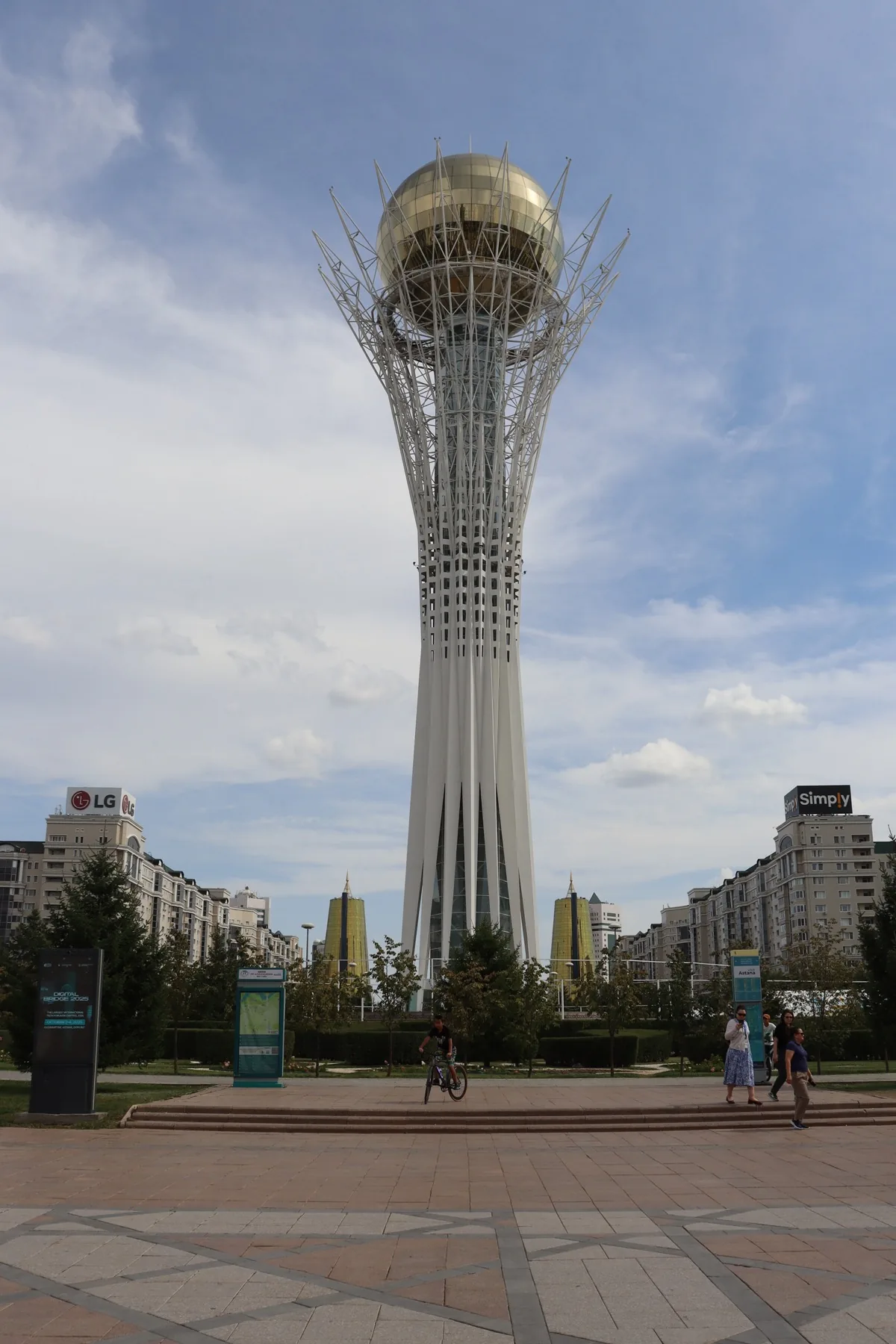
A monument and observation tower that is the main symbol of Astana and Kazakhstan.
 In the City
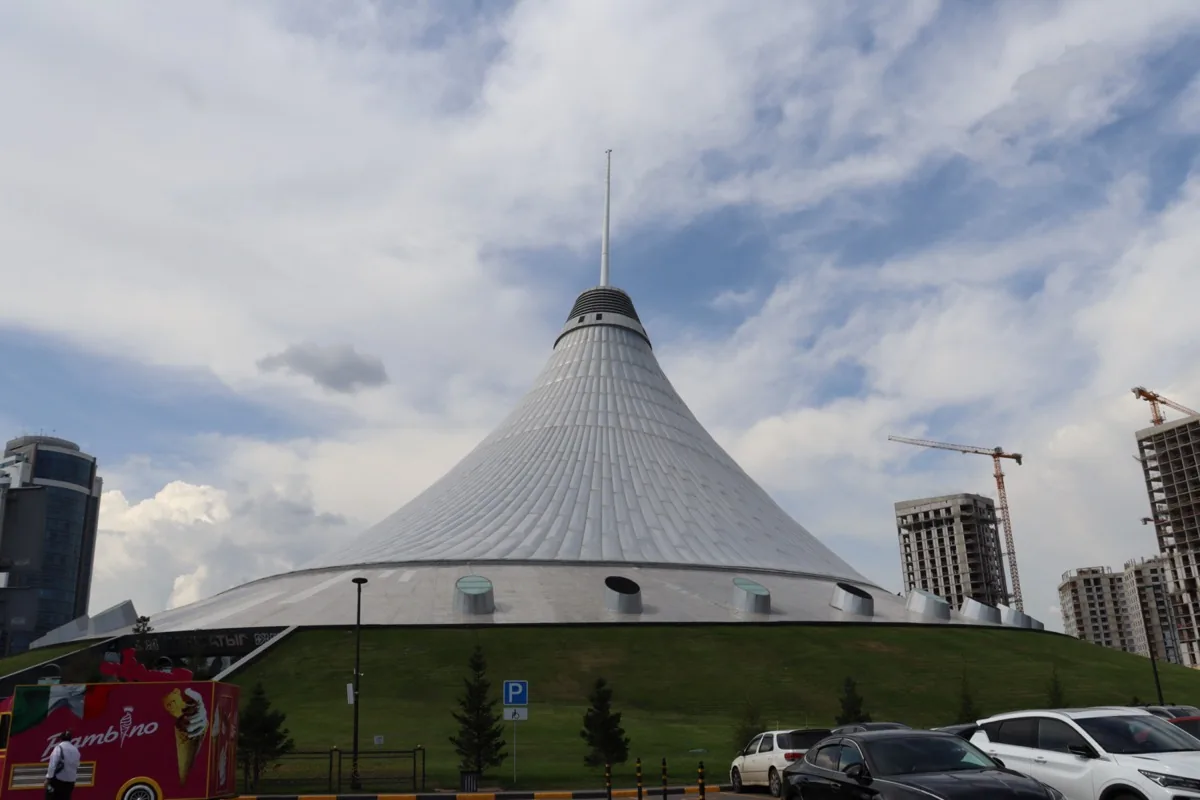
A colossal transparent tent-shaped shopping mall standing 150 meters tall, designed by Norman Foster and recognized as the world's largest tensile structure.
 In the City
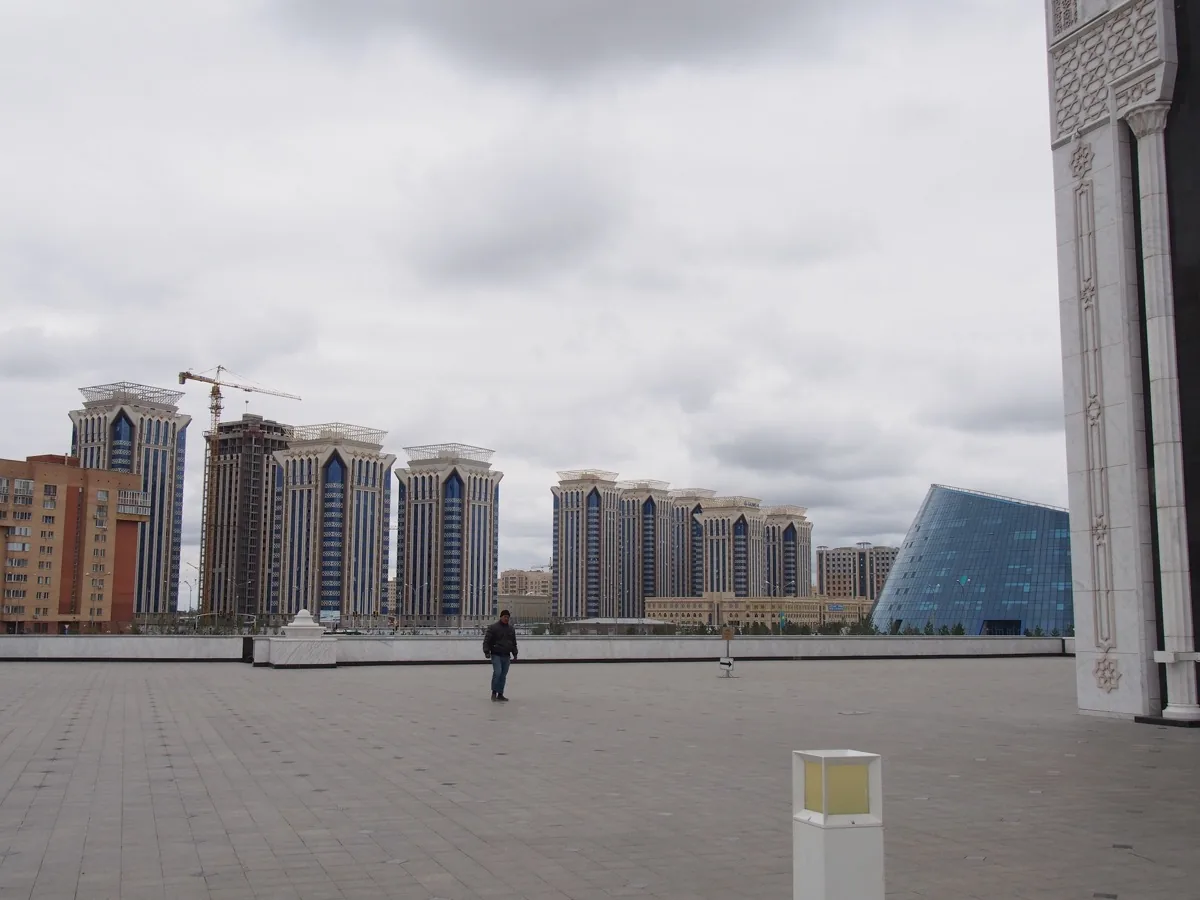
The largest mosque in Central Asia, accommodating up to 10,000 people during major holidays.
 In the City
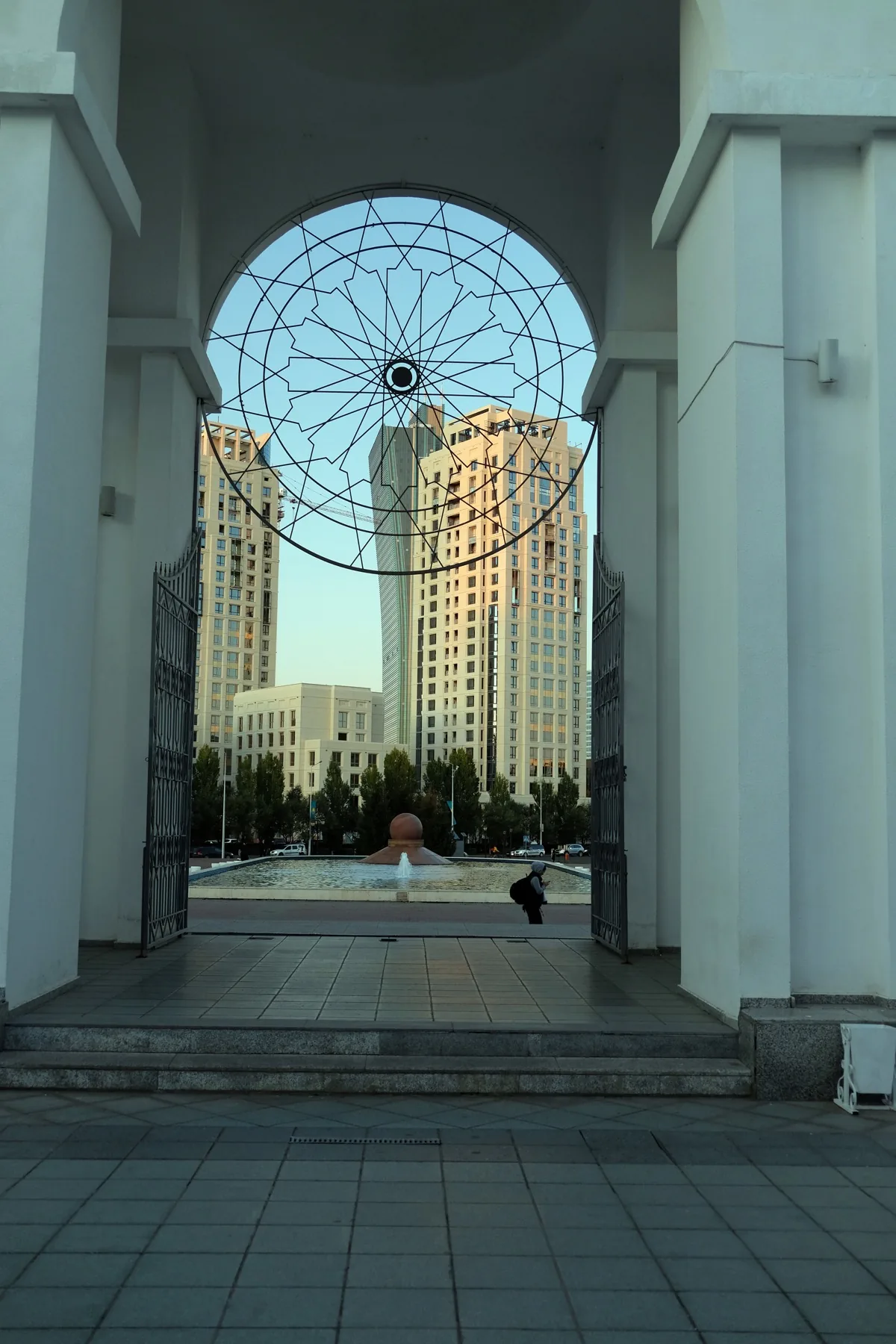
The second largest mosque in Kazakhstan, a gift from Qatar to Astana — officially named after Abu Nasr al-Farabi since 2021.
 In the City
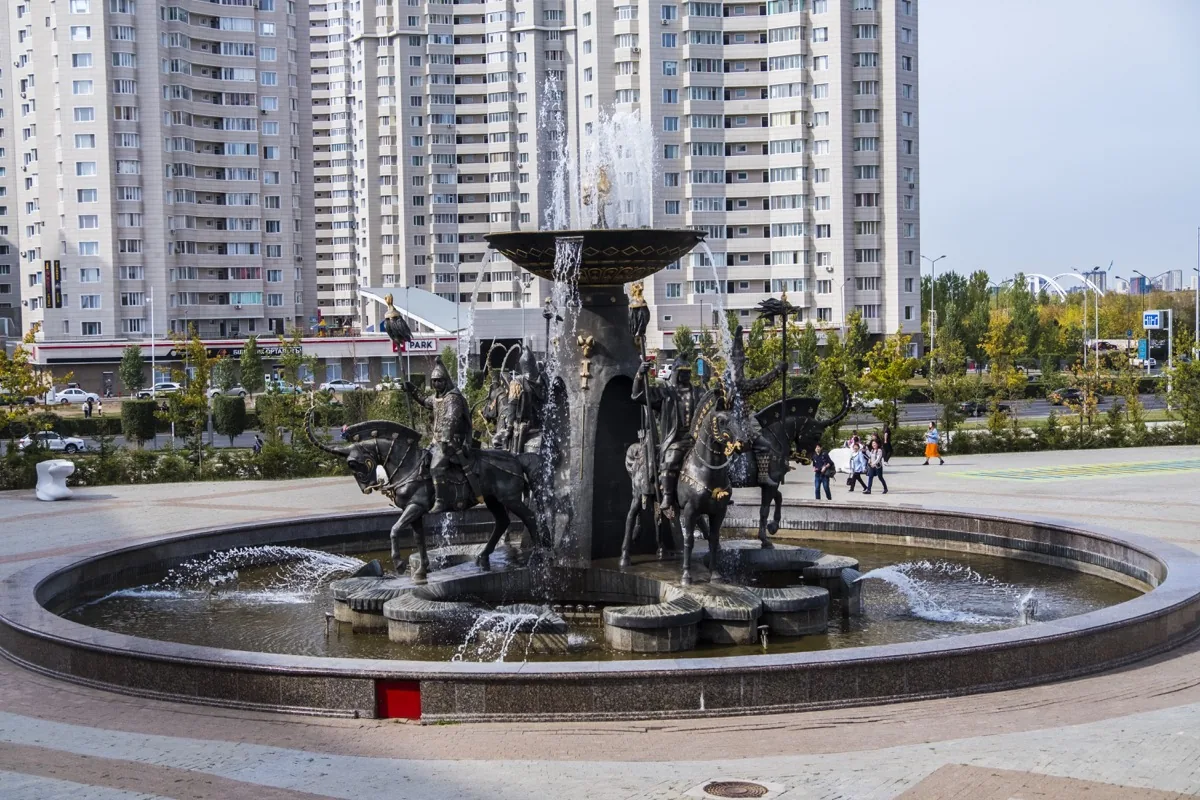
The largest museum in Kazakhstan and Central Asia showcasing the country's history from ancient times to the present day.
 In the City
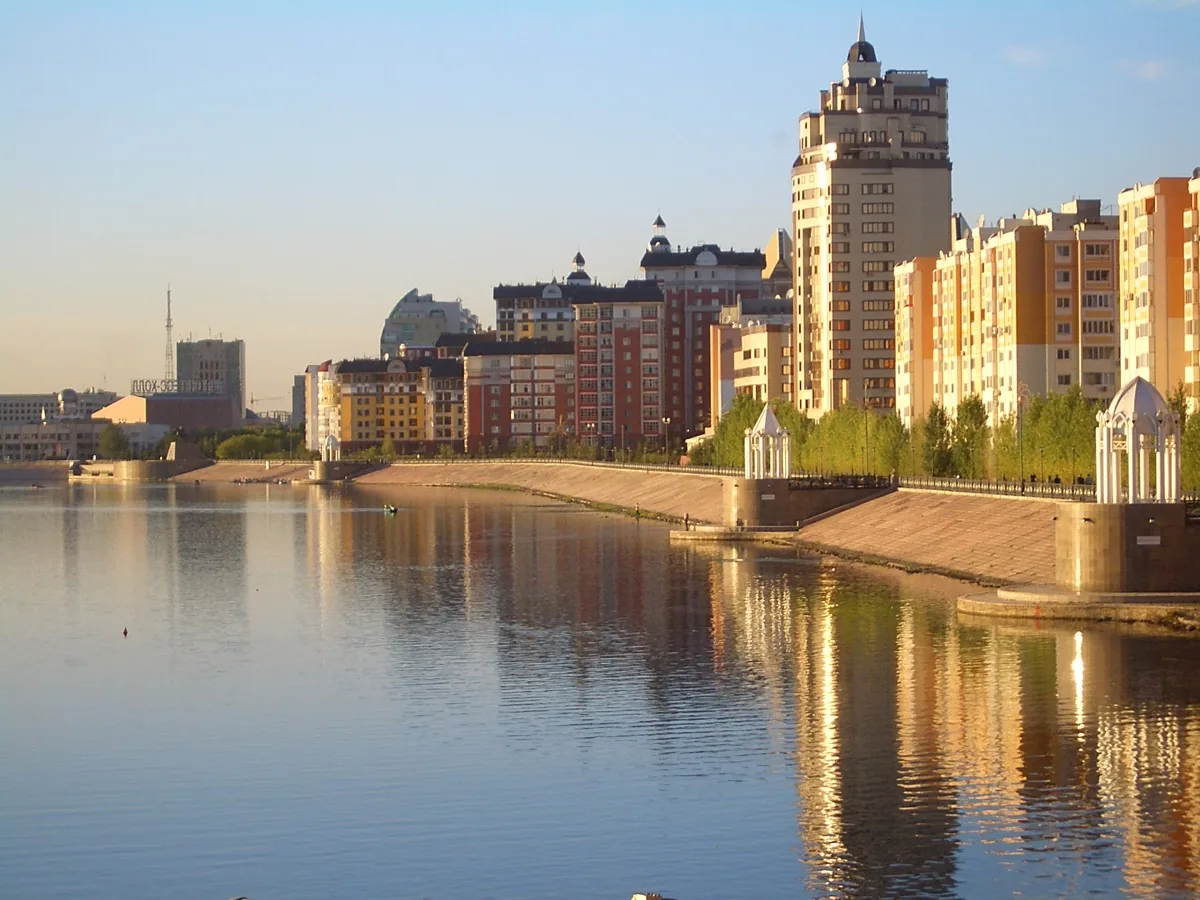
A well-developed embankment with cycling paths and walking routes that connects the historic right bank and the new left bank of Astana.